
Amazon local truck drivers — how the jobs work, pay & benefits, paid training, requirements, schedules, and how to apply
If the plan is a driving job that gets you home most nights, Amazon’s local driving network is one of the biggest entry points in U.S. logistics. That network is built around Delivery Service Partners (DSPs) that hire local drivers to run Amazon routes, plus larger carriers and owner-operators who handle linehaul via Amazon Relay. Below is a practical, down-to-earth guide to what Amazon’s local truck/van driving roles actually look like today, what pay and benefits you can expect, whether training is paid, what the common rules are, and how to apply.
Who hires the drivers — and what “local” means
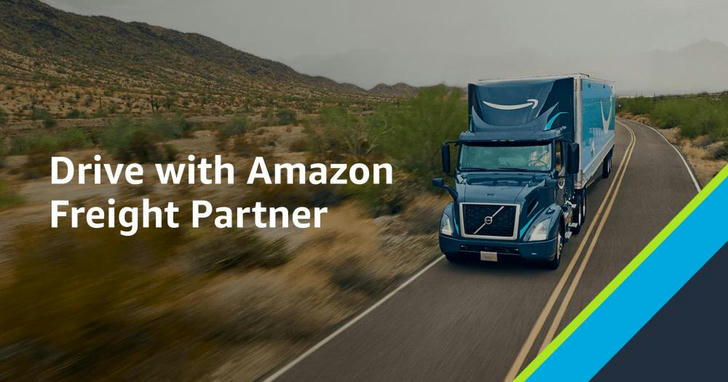
Most “Amazon local drivers” are employed by independent small carriers called Delivery Service Partners (DSPs). DSPs operate Amazon-branded vans and step-vans out of local delivery stations; routes are typically short (neighborhood stops) and many positions return drivers home nightly. For larger truck work (linehaul between fulfillment centers and sortation hubs), Amazon works with carriers via Amazon Relay — those roles are more likely to require a CDL and a different pay model.
Typical job description — day-to-day
A typical local driver’s day includes:
• Arriving at a delivery station for pre-trip checks and load-out,
• Driving a pre-planned route in a step van or cargo van,
• Scanning and delivering packages to residences and businesses, and
• Returning to the delivery station to turn in the vehicle and finish paperwork.
Expect early start times (often before stores open) and fairly physical work (lifting and frequent in-and-out of the van). Routes are scheduled for efficiency — the exact stop count and daily hours vary by market and season.
Pay — what drivers actually earn (realistic ranges)
Pay varies widely by geography, by DSP, and by role type (helper vs. driver vs. lead):
• Amazon announced investments to lift DSP driver pay; in September 2024 the company said the program would support raising the national average toward about $22 per hour. That raised the floor for many DSPs and set new market expectations.
• Aggregated employer data show average Amazon-DSP delivery driver pay around $19–$20/hr nationally (a useful comparator, but local postings commonly list higher starter rates in competitive markets).
• In some high-cost or high-demand areas DSPs publicly advertise pay in the mid-$20s/hr or route guarantees that convert to strong weekly pay, especially with bonuses and peak-season incentives. (Exact figures depend on the local DSP.)
Bottom line: expect market variation. Ask the recruiter what the DSP pays in your ZIP code, whether there are sign-on bonuses, and how overtime / peak pay and bonuses are calculated.
Benefits & extras — what to check for
Because DSPs are independent businesses, benefits packages differ. Many DSPs offer:
• Hourly pay + overtime,
• Performance or safety bonuses,
• Paid orientation and on-the-job training, and
• For many full-time roles: medical insurance, paid time off, 401(k) options and holiday pay (confirm eligibility windows).
Amazon has also funded programs that help DSPs provide better benefits (and introduced wage-access tools for some drivers), but the final package is set by each DSP — so verify benefits and enrollment waiting periods during hiring.
Paid training — is it available?
Yes. Most DSPs provide paid onboarding and route training: new hires go through station orientation and ride-along shifts so they learn the route before driving solo. Amazon’s investments in the DSP network aimed to help DSPs fund training and higher pay, so many DSPs now run paid training blocks and offer bonuses for passing required checks. For tractor-trailer or linehaul roles (Relay carriers), training and pay terms depend on the carrier or owner-operator arrangement.
Requirements — what you’ll commonly need
• Valid driver’s license (CDL-A for tractor-trailers; many local step-van roles do not require a CDL but check the posting).
• Clean driving record, DOT background checks and successful drug/alcohol screens where applicable.
• Ability to handle physically active work (lifting, walking stairs).
• Ability to start early and work variable hours during peak season.
If you seek linehaul/CDL roles via Amazon Relay, prepare for carrier-level requirements (CDL, DOT medical card, driving experience).
Work location & schedule — home every night?
Most DSP local delivery roles are built to be home nightly — that’s the main appeal for many drivers. Expect early morning start times; hours can expand during holiday seasons and peak days. Linehaul drivers and some dedicated lanes may involve multi-day hauls and less frequent home time. Confirm home-time promises with the specific DSP or carrier.
How to apply — the practical steps
1.Start at Amazon’s DSP hiring portal or the Amazon jobs site to find delivery-partner openings for your ZIP code. Apply online and follow the DSP’s screening steps.
2.If you’re interested in linehaul/CDL work, look at Amazon Relay opportunities or apply with carriers on Amazon Relay load boards.
3.During interviews, ask explicitly about: pay rate for your market, training pay or guarantees, bonus structure, benefits eligibility timing, and the written policy on overtime and route expectations. Get the offer terms in writing.
Common questions (short answers)
Q: Will Amazon employ me directly?
A: Most local drivers work for a DSP (an independent employer). Amazon sets delivery expectations, but the DSP is the actual employer. For linehaul roles, you’ll normally work for a carrier contracted through Amazon Relay.
Q: Do DSP drivers get benefits?
A: Many do — but benefits depend on the DSP. Ask about medical, PTO, and retirement eligibility during hiring.
Q: How stable is the work?
A: Demand is seasonal but the DSP network is large and integral to Amazon’s operations — many DSPs hire year-round and convert seasonal hires to permanent roles when possible.
Final takeaway
Amazon’s local driving ecosystem offers a lot of entry points: local DSP routes for home-daily delivery, and Relay/linehaul roles for CDL drivers. Pay and benefits vary by DSP and market, but Amazon’s recent investments have pushed the national average driver wage upward and made paid training and better benefits more common. If you want home time and steady daytime work, search DSP local openings in your ZIP code and ask recruiters for the exact pay & training terms before you sign.