
Schneider Local Truck Drivers — job overview, pay & benefits, paid training, requirements, schedules, and how to apply
Schneider is a large national carrier with multiple local, dedicated and intermodal driving tracks. For job-seekers who want a career that keeps them close to home, Schneider’s local and intermodal opportunities are a realistic option: many routes return drivers nightly and the company runs formal paid training programs for new entrants. Below is a practical, fact-forward guide to what Schneider actually offers today, how much drivers can expect to earn, whether training is paid, what the employer requires, how schedules are arranged, and how to apply.
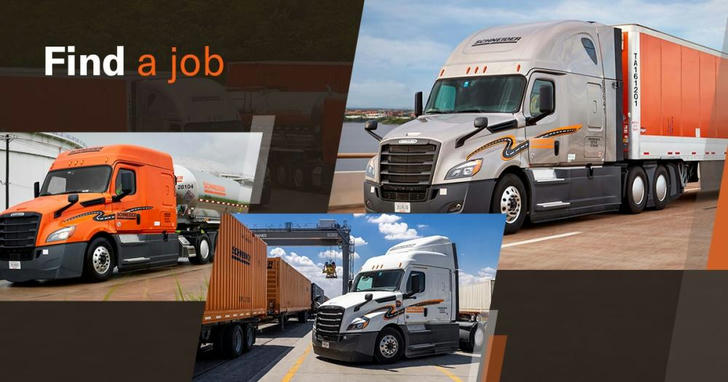
What Schneider hires for (local / intermodal / dedicated)
Schneider organizes driving jobs by business unit. “Local” roles typically cover short-haul or yard-to-store work and return drivers home nightly; intermodal drivers move containers between rail ramps and terminals in major hubs; dedicated lanes are steady routes for a single customer. Intermodal and some local accounts are often presented as the highest-paying local options.
Is there paid training? — the CDL Apprenticeship Training (CAT) and company programs
Yes. Schneider runs a CDL Apprenticeship Training (CAT) program that is explicitly paid and designed to get trainees ready for a Class A license. The CAT program is a 5 to 7.5-week paid apprenticeship that mixes classroom, yard and in-cab instruction. Schneider also advertises company-sponsored CDL training (2–4 weeks paid training options) that may require a 6–12 month work commitment. Confirm program details with the recruiter because schedules and commitments vary by location.
Pay — realistic ranges and what drives pay differences
Pay depends heavily on the account, region and experience level:
• Schneider’s own materials show intermodal local drivers averaging $1,160–$1,420 per week, with top intermodal earners cited near $90k–$100k annually on some accounts. That reflects high-demand rail hub lanes.
• Crowd-sourced salary sites show a wide band: Glassdoor’s median for Schneider local truck drivers is roughly $80k–$83k/year (with a wide interquartile spread), while Indeed/ZipRecruiter aggregates report lower and higher figures depending on postings and region. Use these as benchmarks, not guarantees.
Important: Schneider commonly uses mixed pay models (mileage, hourly, activity pay and weekly guarantees). Always ask the recruiter for the exact pay plan for a given account and whether there are starter guarantees, performance pay or holdbacks.
Benefits & extras (what the total package typically includes)
Schneider advertises a comprehensive benefits package for eligible drivers, including:
• Medical, dental and vision plan options;
• A 401(k) plan with company match that begins after three months (faster than many competitors’ waiting periods);
• Paid orientation and paid time off (PTO) after an initial service period;
• Performance and annual bonuses, longevity pay and sign-on incentives on select accounts.
Several current job ads also show sign-on bonuses (amount and payment schedule vary by account) and paid orientation for new hires. Get bonus timing and vesting in writing before you accept.
Requirements — what Schneider will check before hire
Typical hiring criteria include:
• Valid CDL-A (for most local/intermodal/dedicated roles) or enrollment/eligibility for the company apprenticeship;
• DOT medical certificate and ability to pass drug/alcohol screening;
• Acceptable motor vehicle record and background check per Schneider policy;
• Residency within a specified radius of the terminal for local roles (many postings require living within X miles). Note: interstate driving requires meeting federal age rules (21+ for interstate). Confirm account-specific age/location rules.
Schedule & home time — what to expect
• Local accounts: generally designed to return drivers home daily (early starts are common).
• Intermodal local: typically home nightly but may require work in congested rail hub windows (may include night or early-morning shifts). Schneider quotes intermodal as “home daily” for many accounts and publishes weekly-pay examples for intermodal drivers.
Because start times, shift lengths and overtime expectations vary by account and season, confirm the typical dispatch window, expected hours and overtime policy with the terminal recruiter.
Who these roles suit
• New entrants who want a paid entry path into trucking and prefer local/home-daily work (CAT and company-sponsored tracks).
• Drivers who prefer predictable lanes (intermodal/dedicated) with opportunity for higher earnings via performance pay.
• Experienced drivers seeking a larger carrier with formal benefits and performance bonus structures.
How to apply — practical steps
1.Search Schneider’s careers page and filter for “Local” or “Intermodal” jobs in your ZIP code.
2.Prepare documents: CDL (if held), DOT medical card, driving record (MVR), ID and proof of residence.
3.Ask recruiters for the account’s exact pay plan, starter guarantees, length of any service commitment tied to training, sign-on bonus schedule, and the written benefits enrollment timeline. Don’t accept verbal promises—get the pay and bonus terms in writing.
Common questions (short answers)
Q — Will Schneider pay me while I train?
A — Yes. Schneider’s CAT and some company-sponsored programs are paid. Ask the recruiter which program applies to your terminal and whether there is any training-related work commitment.
Q — How much can I expect in my first year?
A — First-year earnings depend on the account and pay plan. Intermodal and strong local accounts publish weekly averages that project into upper-five-figure or low-six-figure annual pay for high performers; typical ranges cited by employees and job postings vary widely—confirm local offers to model your expected income.
Q — Are there service obligations for company-sponsored training?
A — Many company-sponsored tracks require a work commitment (commonly 6–12 months); terms differ by program—read the agreement before accepting.
Final recommendations
Schneider provides multiple realistic routes into trucking—paid apprenticeship (CAT), intermodal local lanes with strong weekly pay, and dedicated accounts with steady schedules. The most important due diligence step is to get account-specific pay, bonus and training-commitment terms in writing from the recruiter before accepting.