
Walmart Local Truck Drivers — what the job is, pay & benefits, training, requirements, schedules, and how to apply
If “local truck driver” + “home every night” is the aim, Walmart runs several driving opportunities that attract attention: company local routes, regional/OTR roles, its Private Fleet positions, and an Associate-to-Driver pipeline that trains Walmart associates into CDL roles. Below is a plain-spoken breakdown of what Walmart hires for, what drivers actually earn, whether training is paid, who fits the roles, and how to apply — with practical tips for deciding if a Walmart driving job is right for you.
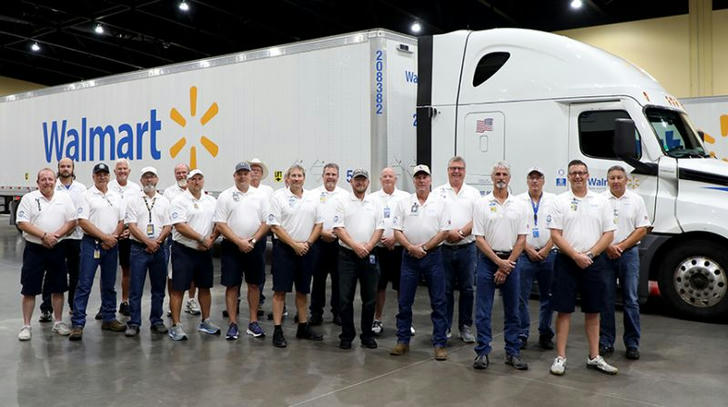
What Walmart is hiring for (the real roles)
Walmart hires drivers across a few distinct tracks:
• Local/Delivery Drivers: hourly drivers who run routes from a Walmart distribution center or club to stores and other facilities — typically home nightly and paid hourly.
• Regional / OTR Drivers: paid by mileage and often paid higher annual amounts; these roles involve longer runs and less frequent home time.
• Private Fleet / Associate-to-Driver: an internal development path where Walmart employees (associates) can train for a CDL through a structured program and then join Walmart’s Private Fleet as company drivers.
• Dedicated contractor roles: Walmart also uses third-party carriers for many lanes; working directly for Walmart vs. a contractor affects pay and benefits.
Job description — what a local Walmart driver does day to day
Local truck drivers typically:
• Load and deliver store freight (no-touch or light touch in many DC→store routes).
• Perform pre-trip inspections and basic safety checks.
• Follow assigned schedules (often night or early-morning shifts).
• Use handhelds for routing and proof-of-delivery; may help with dock logistics on occasion.
Walmart posts position details and expectations on its careers site and in local job ads.
Pay — realistic ranges and what affects earnings
Pay varies a lot by route type, location, and experience:
• Local drivers (hourly): public data show hourly averages around $30–$35/hr at Walmart in many markets; local pay depends on state minimums and market competition. Glassdoor and Indeed aggregate reported Walmart truck-driver pay with medians in the $70k–$100k annual-equivalent range depending on role and hours.
• Regional/OTR drivers (salary or mileage): advertised annual compensation can reach $80k–$110k+ in many postings, with sign-on bonuses sometimes offered for hard-to-fill lanes.
Two practical notes: (1) local hourly roles often pay less in gross annual terms than long-haul positions but win on home time; (2) published averages vary by crowd-sourced sites — ask the recruiter what the specific terminal pays.
Benefits & extras — the value beyond base pay
Walmart lists standard benefits for eligible full-time associates: medical/vision/dental plans, 401(k) with company match, stock-purchase options, company-paid life insurance, paid time off, and other associate programs. Drivers in Walmart’s Private Fleet generally receive the company benefits package that other full-time associates do. Job postings also mention Average Daily Pay (ADP) or other activity pay in some cases.
Training — is there paid training?
Yes — Walmart runs Associate-to-Driver and Private Fleet development programs that include paid training:
• The company’s pilot/expanded Associate-to-Driver programs run about 12 weeks and are designed to get Walmart associates their CDL while they remain on payroll. During the program associates are paid and receive hands-on CDL instruction and safety training, then step into driving roles on successful completion. That pathway is aimed at internal hires within a defined radius of participating offices/DCs.
For external applicants who already hold a CDL, standard onboarding is paid, but the heavy hands-on CDL instruction is mainly part of internal development programs rather than an open, rather than external private "training schools". Always verify whether the route you’re offered includes paid training or if any living-expense loan or small enrollment fee applies.
Requirements — what Walmart typically asks for
Common requirements across Walmart driving roles include:
• Valid CDL-A (or participation in an internal program that helps get one).
• Meet DOT physical/drug-screen standards and hold a Medical Examiner’s Certificate.
• Minimum driving experience — for some private fleet or higher-pay roles Walmart may require recent Class A experience (policies vary by program).
• Background and driving record checks with limited recent moving violations.
Check the specific job posting for terminal-level requirements because they vary by role and location.
Schedule & home time — what to expect
• Local drivers normally work shifts that return them home nightly — many local routes are scheduled for early/overnight hours to deliver to stores before opening.
• Regional / OTR schedules vary; Walmart advertises routes with weekly home time or other predictable schedules depending on lane. If home-every-night is critical, aim for local DC/club driving roles and confirm the exact schedule with recruiting.
Who this job fits
• People who want steady pay + home time: local drivers are best if nightly home time matters.
• Associates at Walmart or supply-chain workers who want a career path into driving (Associate-to-Driver suits those already employed and within the program area).
• Experienced CDL drivers looking for predictable routes and good benefits may prefer Private Fleet / regional positions.
How to apply — practical steps
1.Search Walmart Careers and filter “Drivers” or your ZIP code (Walmart posts openings and terminal contacts).
2.If you’re an associate, ask HR about Associate-to-Driver opportunities and participating DCs (the program is often rolled out by region).
3.Prepare documents: CDL (if you have one), DOT medical card, driving history, proof of eligibility to work. Be ready for background and drug testing.
Common questions (short answers)
Q — Can I get a CDL through Walmart and be paid while learning?
A — Yes — internal Associate-to-Driver programs run roughly 12 weeks and keep associates on payroll while they earn a CDL, then move them into driving jobs. Confirm availability at your location.
Q — Is Walmart better pay than other carriers?
A — It depends on role and route. Walmart’s Private Fleet and regional postings show competitive pay and strong benefits; local hourly roles trade some annual pay for home time. Compare terminal offers and full benefits packages.
Q — Do drivers get bonuses?
A — Some postings and programs include sign-on bonuses or pass-the-CDL bonuses; specifics vary by market and program. Ask the recruiter for current incentives.
Bottom line
Walmart is a major employer for drivers with a clear mix of local hourly routes (good home time), higher-paid regional/OTR work, and Associate-to-Driver paid training for internal candidates. Pay and schedules vary by terminal and role, but Walmart’s benefits and internal development programs make it an attractive option for people wanting a stable driving career with predictable home time. If this sounds like the right fit, start at Walmart’s careers page, check local postings, and—if you’re already a Walmart associate—ask HR about the 12-week Associate-to-Driver pathway.
Walmart Raises Driver Pay and Launches Private Fleet Development Program